
TL;DR:
- Miami nightlife marketing requires understanding local, multicultural audiences and setting clear goals.
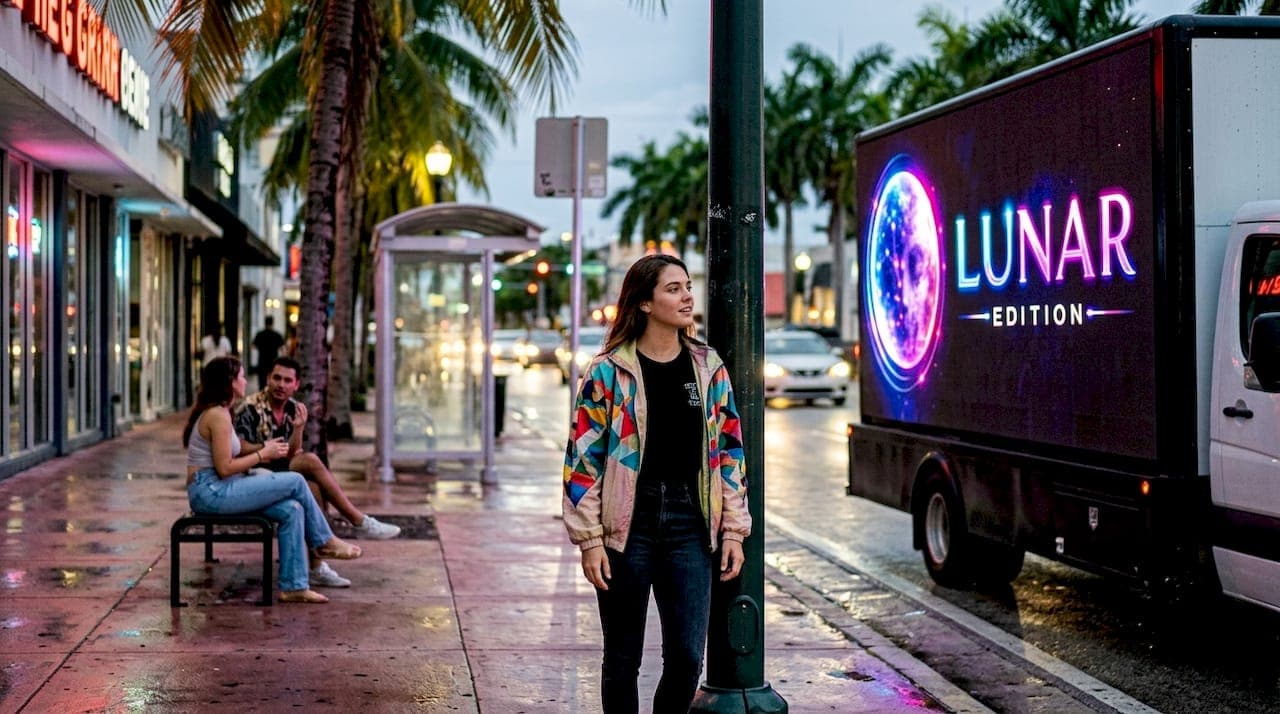
- Mobile LED billboards and targeted digital ads effectively reach high-density entertainment districts.
- Aligning events with Miami's major cultural calendars boosts visibility and attendee engagement.
Miami's nightlife scene is one of the most competitive entertainment markets in the world. Locals and tourists flood Wynwood, Miami Beach, and Brickell every weekend looking for something that goes beyond a standard night out. They want immersive experiences, underground electronic music, digital art, and access that feels exclusive. Standing out in this environment takes more than a flyer and a social post. It takes a sharp, localized strategy built around the real people who show up, the platforms they use, and the cultural moments that move them.
Table of Contents
- Know your Miami audience and set clear goals
- Use mobile LED billboards and real-time outdoor media
- Leverage targeted digital ads and social campaign timing
- Tie promotions to immersive experiences and event calendars
- Why a Miami-first mindset beats generic event marketing
- Level up your Miami nightlife event with expert support
- Frequently asked questions
Key Takeaways
| Point | Details |
|---|---|
| Target local audiences | Focus every marketing step on Miami’s diverse nightlife crowds for greater success. |
| Combine outdoor and digital | Use mobile billboards and timed digital ads during major events to maximize exposure. |
| Align with major events | Integrate your promotions with Miami’s signature party and art weeks to ride existing momentum. |
| Rely on local expertise | Work with Miami insiders to navigate weather, crowd preferences, and city logistics smoothly. |
Know your Miami audience and set clear goals
Before you spend a single dollar on promotion, you need to know exactly who you are trying to reach. Miami nightlife draws multicultural audiences with high expectations, and a one-size-fits-all approach will not cut it here.
Start by mapping your core attendee profiles:
- Local music lovers who follow specific DJs, labels, and underground techno and house scenes
- International tourists visiting during major events like Art Basel or Miami Music Week
- Digital art and tech enthusiasts drawn to cinematic projection environments and NFT-linked experiences
- Exclusivity seekers who respond to limited capacity, early access, and VIP positioning
Once you know your audience, set measurable objectives. Are you focused on ticket sales? Early access signups? Social buzz and brand presence? Each goal requires a different channel mix and message. A Miami electronic music event targeting art lovers needs a completely different creative approach than one targeting weekend club-goers.
Miami also brings specific variables that most markets don't. The city's multicultural makeup means your messaging may need to resonate across English, Spanish, and Portuguese-speaking communities. Tech-savvy younger crowds expect seamless mobile ticketing and real-time updates. Weather sensitivity is real too. An outdoor event in April can shift quickly, and your contingency plan needs to be part of your marketing story from day one.
Pro Tip: Connect with local nightlife experts before you launch. They can flag permit timelines, crowd behavior shifts, and neighborhood-specific nuances that no marketing playbook from outside Miami will ever cover.
Use mobile LED billboards and real-time outdoor media
Once your goals and audience are locked in, it's time to take your message to the streets. Miami's top nightlife districts are visual environments. People walking through Wynwood or cruising Miami Beach are already in discovery mode, looking for what's next.
Mobile LED billboard trucks in Wynwood and Miami Beach achieve over 100,000 daily impressions, making them one of the highest-reach formats available for local event promotion.
Here's how mobile LED stacks up against traditional outdoor advertising:
| Feature | Mobile LED billboard | Traditional OOH |
|---|---|---|
| Daily impressions | 100,000+ | 20,000 to 50,000 |
| Creative flexibility | Real-time updates | Static, fixed |
| Targeting precision | Route-specific | Location-fixed |
| Cost efficiency | High ROI in hotspots | Moderate ROI |
| Interactivity | QR codes, live feeds | None |
To get the most out of mobile LED, focus on these placement strategies:
- Run trucks during peak hours, typically Thursday through Saturday from 9 PM onward
- Sync routes with major events like Ultra Music Festival, Miami Music Week, and Wynwood art pop-ups
- Use QR codes that link directly to your ticket page or early access registration
- Feature bold, minimal visuals with high contrast. Crowds process fast-moving content in seconds
Pro Tip: Rotate your creative every 48 to 72 hours. Fresh visuals keep the campaign feeling alive and match the energy of shifting nightly crowds in different districts.
Leverage targeted digital ads and social campaign timing
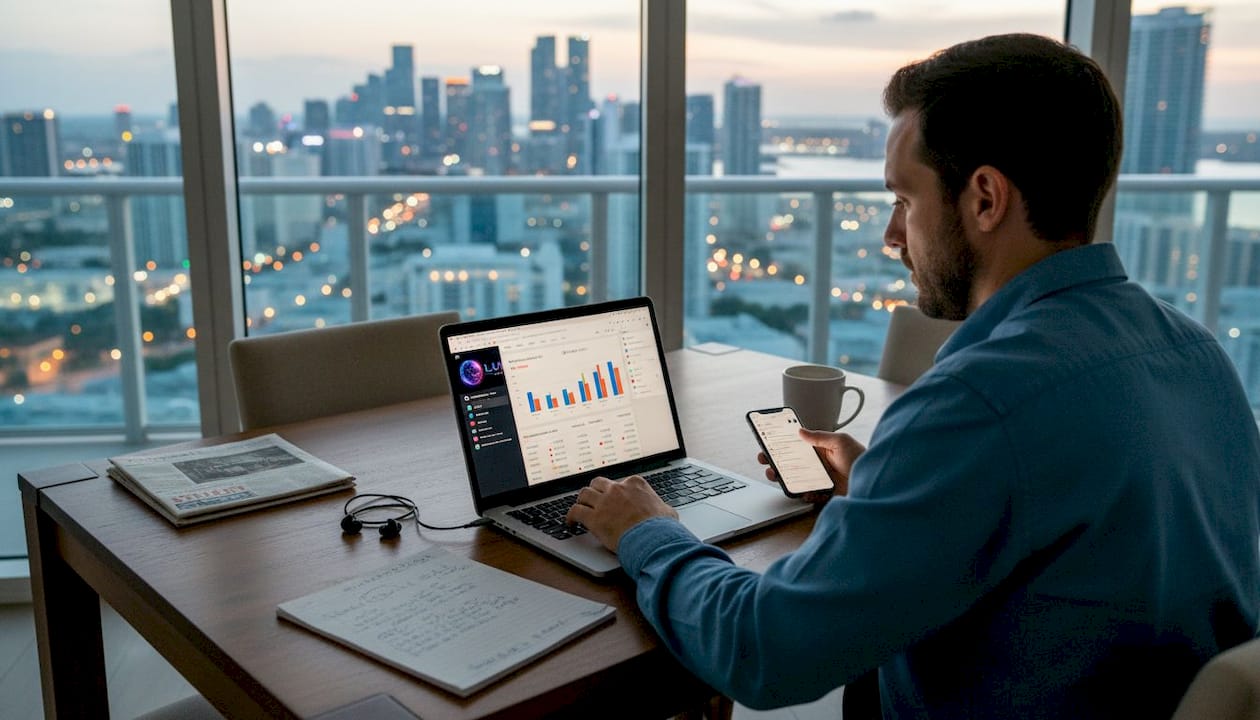
Outdoor impressions build awareness, but digital ads convert that awareness into ticket sales. The key is timing your campaigns to align with the moments when Miami's nightlife audience is most active and most likely to act.
Targeted digital campaigns on Facebook and Instagram during peak Miami events like NYE yielded an 827% ROI, proving that precision targeting during high-energy moments dramatically outperforms generic year-round spending.
Here's a sample campaign structure for a Miami immersive event:
| Campaign phase | Timing | Budget focus | Goal |
|---|---|---|---|
| Awareness | 3 to 4 weeks out | 30% of budget | Reach and impressions |
| Consideration | 1 to 2 weeks out | 40% of budget | Video views, link clicks |
| Conversion | Final 5 days | 30% of budget | Ticket sales, signups |
Follow these steps to build high-performing campaigns for nightlife event digital marketing:
- Build custom audiences using interest targeting around electronic music, techno, house, digital art, and Miami nightlife
- Use lookalike audiences based on past ticket buyers or email list subscribers
- Run video ads featuring immersive visuals, projection environments, and artist teasers
- Retarget website visitors who viewed your ticket page but didn't convert
- Increase spend on peak days like Fridays before Miami Music Week or the week leading into Art Basel
The timing window matters as much as the creative. Miami audiences respond to urgency. Limited capacity messaging paired with countdown timers consistently outperforms open-ended promotions.
Tie promotions to immersive experiences and event calendars
Running ads in isolation is not enough. The most effective Miami event marketing connects your experience to the broader cultural calendar that already has the city's attention.
"During Miami Music Week, 200+ pool parties, DJ tech panels, and label events draw hundreds of thousands of attendees, creating a city-wide energy that independent events can tap into."
Aligning your event with major moments like Miami Music Week, Ultra, or Wynwood art pop-ups puts your promotion in front of crowds who are already primed for discovery. Cross-promotion with DJs, digital artists, and partner venues extends your reach without increasing your ad spend.
Here are creative ideas to embed your event in Miami's broader ecosystem:
- VIP meetups with headlining artists or digital creators in the days before your event
- Label showcases that feature your lineup in a smaller, intimate setting to build buzz
- NFT-linked art drops tied to your event's visual identity and digital installations
- Digital tech panels that position your brand as a thought leader in the immersive music space
- Partner with local venues for co-branded nights that introduce your audience to new crowds
The goal is to make your event feel like a natural part of Miami's cultural moment, not an interruption of it. When immersive music experiences align with what the city is already celebrating, attendance and social engagement follow naturally.
Why a Miami-first mindset beats generic event marketing
Here's the uncomfortable truth: most event marketing fails in Miami not because of budget, but because it's built on a generic formula that ignores what makes this city different. Miami is not just a market. It's a living cultural ecosystem with its own rhythms, languages, and loyalties.
The brands that win here are the ones that build real relationships with local artists, venue operators, and community figures. They understand that Miami nightlife culture shifts block by block and night by night. A strategy that works in Brickell on a Friday may completely miss in Wynwood on a Saturday.
Adaptability is everything. Weather changes, traffic reroutes, and last-minute crowd shifts are not exceptions in Miami. They are the norm. The marketers who build flexibility into every campaign, from creative assets to media placements, consistently outperform those locked into rigid plans. Trust local knowledge. It is not a nice-to-have. It is your competitive edge.
Level up your Miami nightlife event with expert support
If you want to put these strategies into action or simply experience the best of what Miami's immersive nightlife has to offer, Lunar Edition is your starting point.
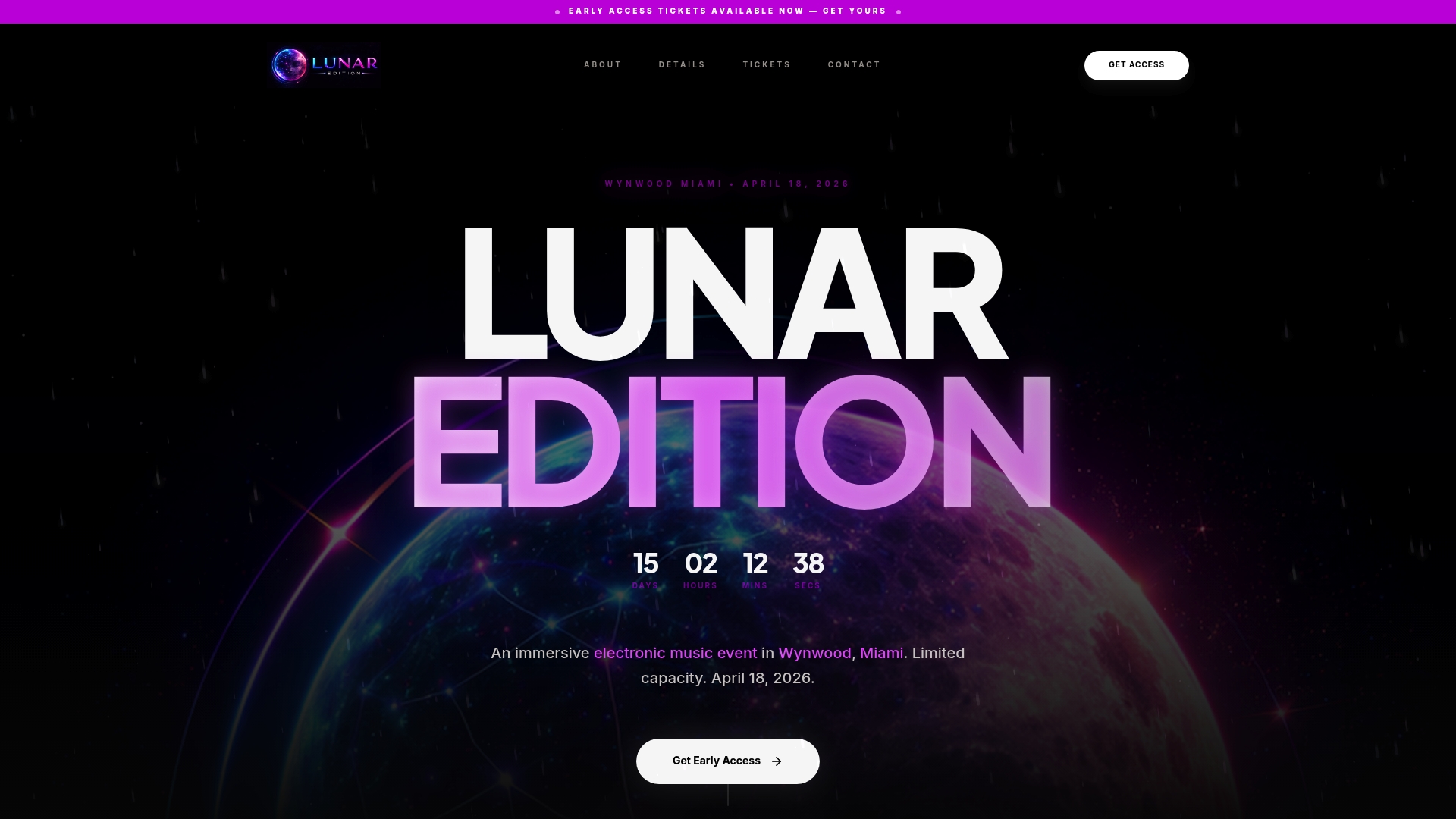
Lunar Edition brings together cutting-edge electronic music, cinematic digital art, and exclusive access in one unforgettable experience. On April 18, 2026, Wynwood becomes the stage for something unlike anything Miami has seen. Check out the Miami electronic music event details to join the early access list, secure your spot, and stay ahead of lineup announcements. You don't have to navigate this alone.
Frequently asked questions
What is the best way to advertise an event in Miami's nightlife districts?
Mobile LED billboard trucks are among the most effective tools, with 100,000+ daily impressions in hotspots like Wynwood and Miami Beach. Pair them with targeted digital ads for maximum reach.
When should I launch social media ads for a Miami electronic music event?
Start your campaign 3 to 4 weeks out for awareness, then increase spend in the final 1 to 2 weeks. Campaigns timed to peak events like NYE have delivered 827% ROI on Facebook and Instagram.
How do Miami's unique challenges affect event marketing?
Unpredictable weather, complex traffic, and multicultural audience expectations require flexible plans and local expertise. Build contingency messaging into your campaign from the start.
Why align promotions with large Miami event calendars?
Major events like Miami Music Week generate a city-wide energy that independent events can leverage. Tapping into 200+ concurrent events puts your promotion in front of already-engaged, high-intent crowds.